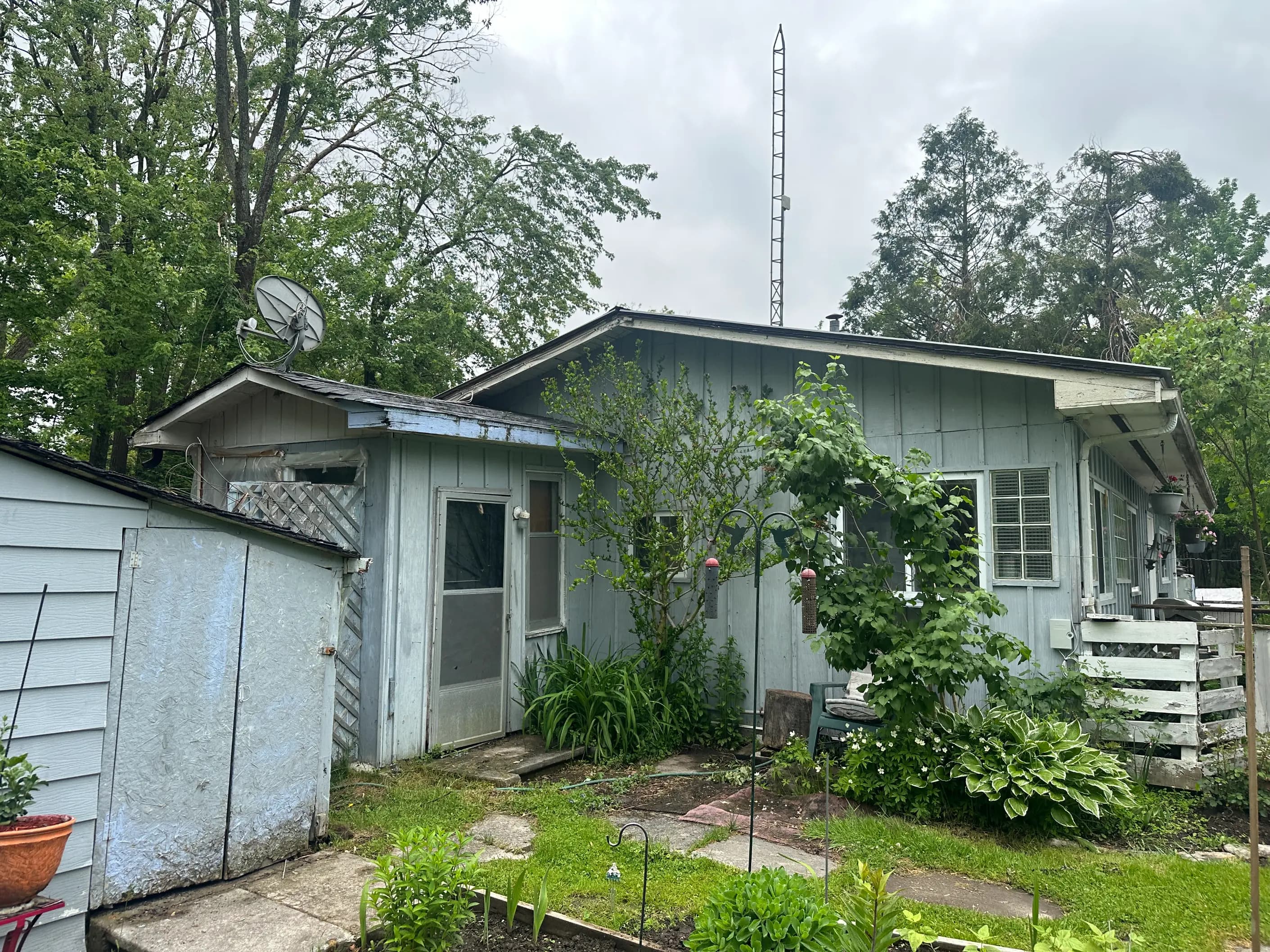
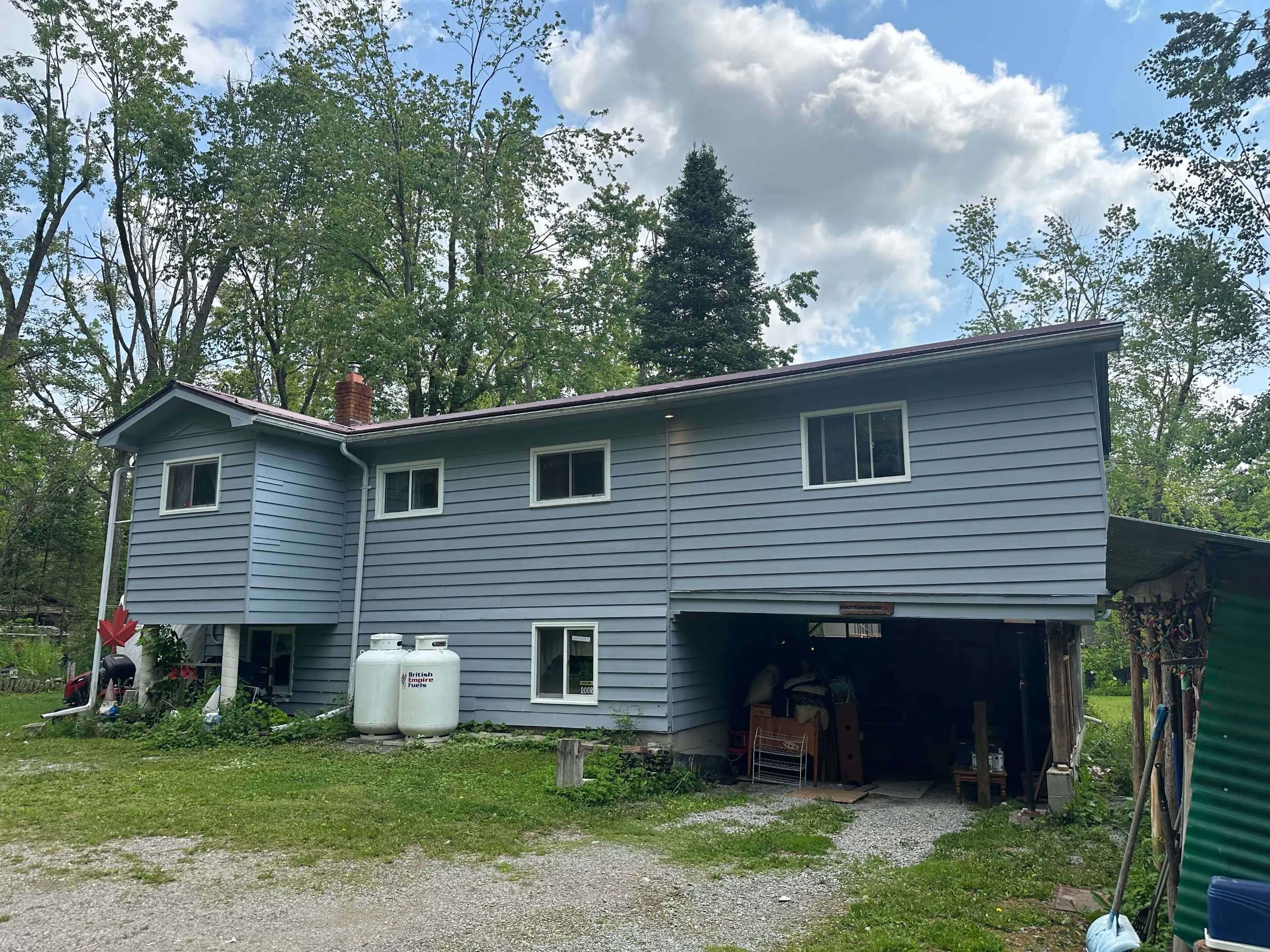
The most common reason a long-held Iowa family home gets sold has nothing to do with the housing market. Someone has died. An adult child, often living out of state, is now responsible for what happens to the family home. They've never sold a house this way before. The mortgage is still running. The property taxes are still due. The estate's attorney is asking when probate will be filed.
Here's the plain-language version of how it works in Iowa.
What probate is, and why you can't sell tomorrow
When someone dies owning Iowa real estate in their name alone (not in joint tenancy with right of survivorship), the property can't be sold or transferred until the district court confirms two things:
- The will is valid (or, if there's no will, who the lawful heirs are)
- Who has authority to handle the estate, the executor or administrator
That authority arrives as Letters Testamentary (when there's a will) or Letters of Administration (when there isn't). Until they issue, title is still in the deceased's name and a sale can't close.
This is the entire reason "I inherited my parents' house" doesn't translate to "I can sell tomorrow." Title has to move first.
The Iowa probate timeline
Iowa probate runs through the district court in the county where the person lived. The estate's attorney files to admit the will and appoint the executor, and the court issues the Letters.
A notice to creditors is then published. Creditors generally have four months from the second published notice to file claims, which is why an Iowa estate usually can't fully close in under about four months.
Realistic ranges:
- Simple estates: often 6 to 9 months
- More involved estates (farm ground, business interests, contested claims): a year or more
The home can be listed and marketed during probate. It just can't close until the executor has authority (Letters issued) and, depending on the file, court approval to sell. The smart move is usually to start the offer process during probate so the sale closes shortly after Letters are in hand.
Iowa no longer has an inheritance tax
Here's news that surprises a lot of heirs: Iowa repealed its inheritance tax. For deaths on or after January 1, 2025, there is no Iowa inheritance tax at all. (Before the phase-out, Iowa taxed some inheritances based on the heir's relationship to the deceased, that's gone now.)
Iowa also has no separate estate tax. The federal estate tax only touches very large estates, well into eight figures, so it doesn't apply to a typical family home.
Capital gains and the "stepped-up basis"
The tax that can apply is capital gains, and here the rules work in your favor. Inherited property gets a stepped-up basis: for tax purposes, the cost basis resets to the home's fair-market value on the date of death, not what your parents paid decades ago.
What that means in practice:
- If you sell the inherited house shortly after probate, your taxable gain is only the appreciation since the date of death, often little or nothing.
- The decades of appreciation during your parent's lifetime generally aren't taxed to you.
Inherited rentals and second homes follow the same step-up but carry their own wrinkles, so talk to a CPA before assuming anything. For most inherited Iowa homes sold soon after death, the capital-gains bill is small.
Small estates: a simpler path for some
Not every Iowa estate needs full probate. Iowa offers a small-estate process for smaller estates, plus a personal-property affidavit when there's no real estate and the personal property is modest. But if the estate includes a house titled in the deceased's name alone, you'll generally still need court authority to transfer or sell it, the affidavit shortcut doesn't move real estate.
Why direct cash sales are common for inherited homes
A few things make inherited properties unusually well-suited to a direct cash sale rather than an MLS listing:
-
Distance. The adult child handling the estate often lives out of state. Coordinating contractors, cleanouts, showings, and contingent offers from far away is exhausting. A cash buyer handles it remotely, documents can be signed by mail or remote notarization.
-
Condition. Long-held family homes routinely carry deferred maintenance, older wiring, aging plumbing, foundation settling, a roof near the end of its life. Retail buyers' lenders flag these issues; cash buyers don't depend on retail underwriting.
-
Carrying costs. Mortgage, property tax, insurance (vacant-home coverage costs more, and standard policies can lapse after 30 to 60 days of vacancy), utilities, lawn and snow, all keep running until the property sells.
-
As-is, contents and all. No painting, repairs, decluttering, or staging. The home sells in its current condition, including with the contents intact if that's easier.
A typical inherited-property cash sale lines up like this: the executor reaches out during probate; we issue a written cash offer within 24 hours; the agreement is signed; the sale closes shortly after Letters issue, through a local Iowa title company.
What this isn't
This isn't legal or tax advice. Probate procedures turn on specific facts, whether the will is properly executed, whether assets were held jointly or in a trust, whether any claims are contested, and capital gains on inherited property is genuinely CPA terrain.
What this is: an honest map of how the Iowa probate timeline runs, where the costs accrue, and the order of operations adult children handling a parent's estate most often need to understand.
If you're in this situation and want to know what a cash offer on the inherited property would look like, the inherited property / probate situation page walks through the details, and you can submit the property for a written cash offer back within 24 hours.