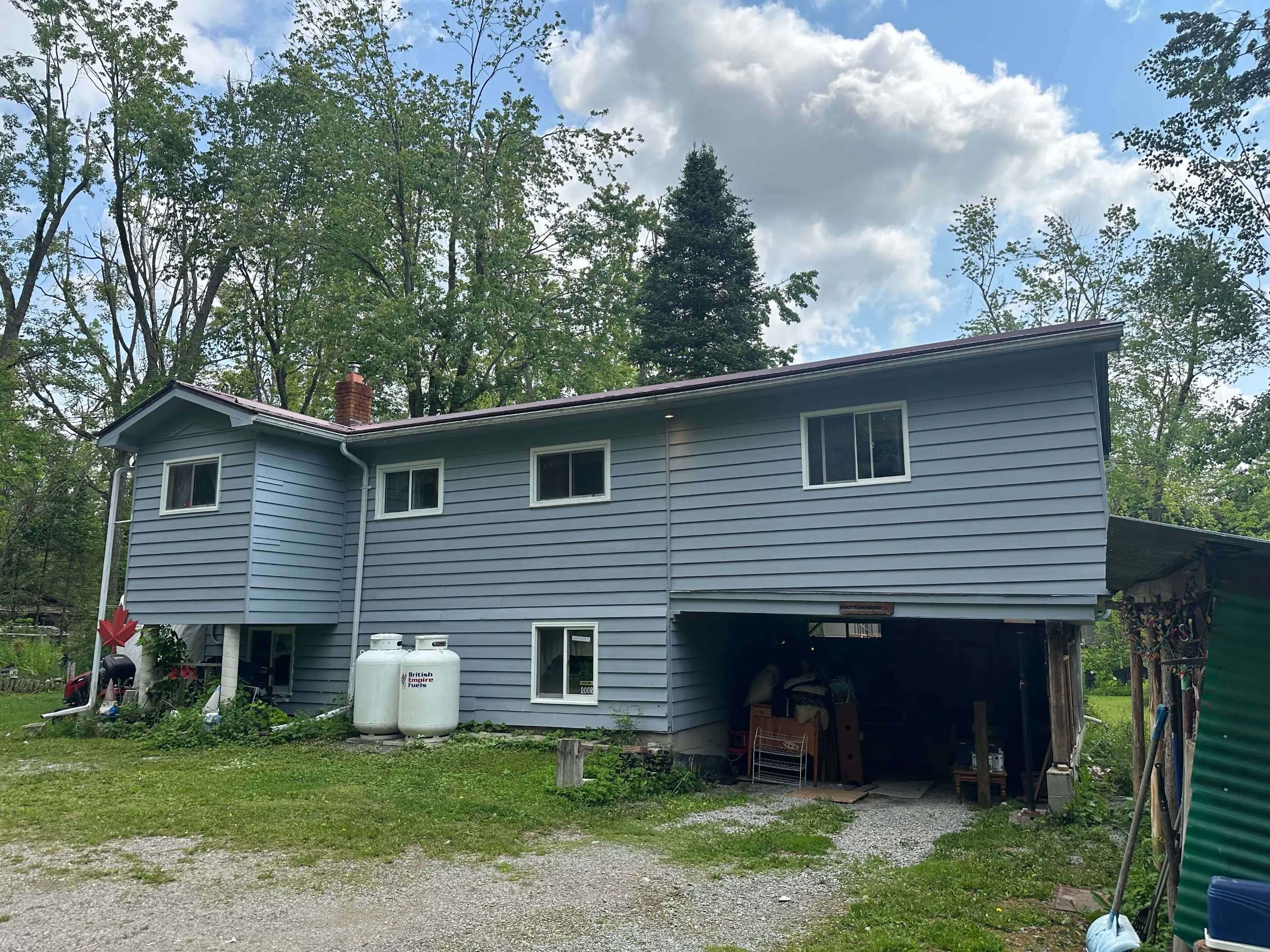
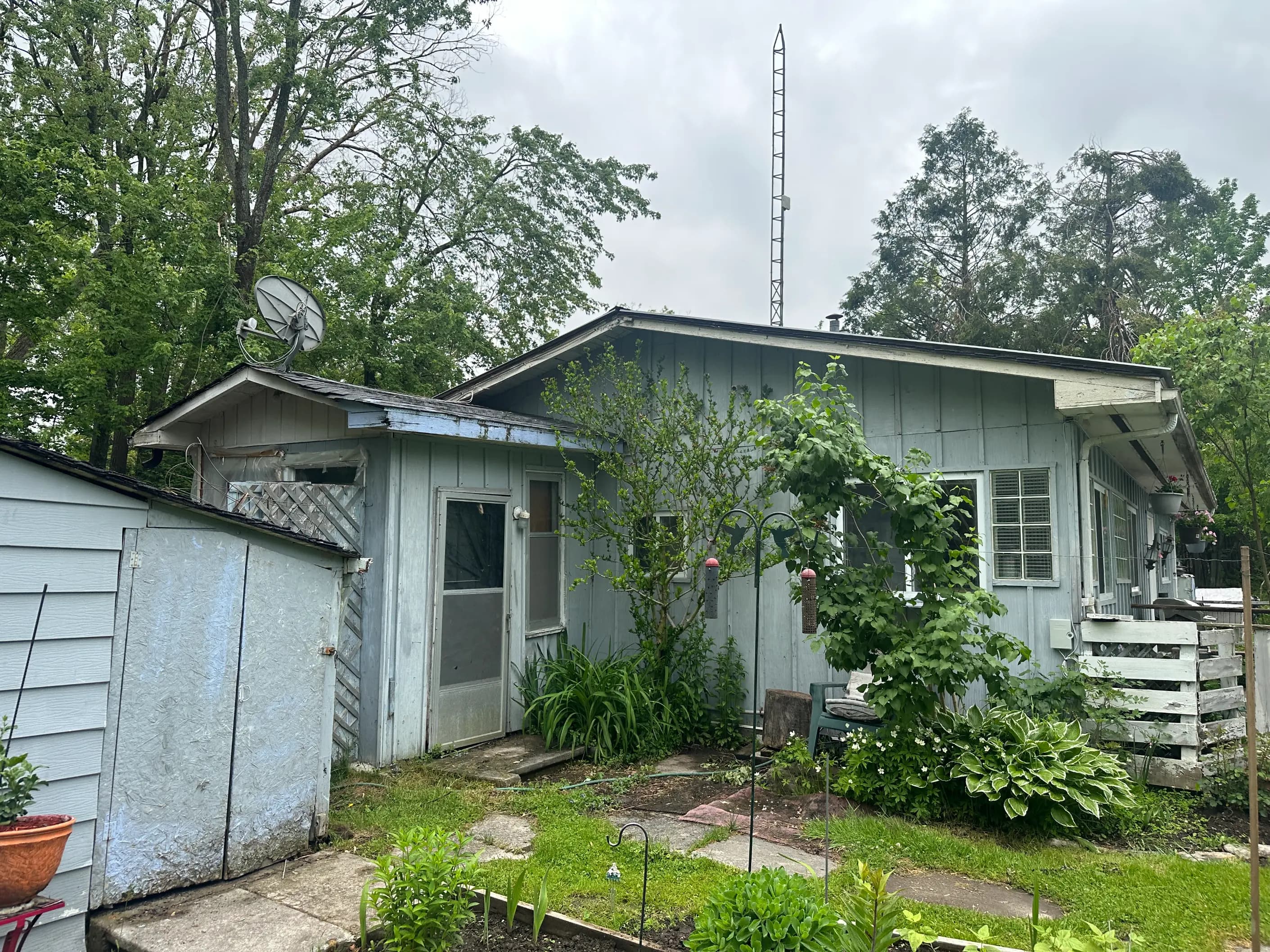
When an Iowa homeowner falls behind on the mortgage past a certain point, the lender doesn't just show up and take the keys. Iowa is a judicial-foreclosure state, the lender has to go through the district court to take a home. That makes the process slower and more formal than in states with fast, courthouse-steps auctions. It's stressful, but the slower clock is also a runway: for months, you keep the right to sell the home yourself and protect whatever equity is in it.
Here's how the timeline actually runs.
Iowa is a judicial-foreclosure state
Before a lender can accelerate the loan and sue, Iowa law requires a Notice of Right to Cure. That notice gives you at least 30 days to bring the loan current and stop the process before it starts.
If the default isn't cured, the lender files a foreclosure petition in the district court for your county. You're served and have roughly 20 days to answer. If there's no defense, which is common, the court enters a foreclosure decree and orders the home sold at a sheriff's sale.
In plain terms, the path looks like this:
- Missed payments → Notice of Right to Cure (30+ days)
- Lender files a foreclosure petition in district court
- You're served; ~20 days to respond
- Court enters a foreclosure decree
- Sheriff's sale is scheduled and published
From the first missed payments to a sheriff's sale commonly runs several months, often in the five-to-eight-month range for an uncontested case, sometimes longer. That's a real but narrowing window.
How the redemption period works
In a standard Iowa foreclosure, after the sheriff's sale the former owner has one year to redeem, pay the sale amount plus costs and reclaim the property (Iowa Code Chapter 628).
That year can shrink:
- Six months if the lender waives its right to a deficiency judgment (and shorter still for some non-owner-occupied or nonagricultural property).
- The lender can also elect foreclosure without redemption under Iowa Code § 654.20 on nonagricultural property. There's no redemption after the sale, but you keep the right to pay off the judgment before the sale, and you can ask the court to delay the sale (up to six months, less if the lender waives a deficiency or the home isn't owner-occupied).
The honest takeaway: redemption is a backstop, not a plan. Redeeming means producing the full payoff in cash. Most homeowners in foreclosure can't, which is why the window that matters most comes earlier.
The window that actually matters: before the sheriff's sale
Here's the part sellers miss. You own the home, you're on title, right up until the sheriff's sale. That means you can sell it yourself at any point before then, pay off the mortgage from the proceeds, and keep whatever equity is left.
A private sale does what redemption can't: it turns your equity into cash in your pocket instead of handing the home to the highest bidder at auction. The earlier you move, the more options stay open. Once a sale date is set and published, the clock is real.
Why a cash sale fits a foreclosure file
What makes a cash buyer the right fit for these files isn't speed alone, it's the certainty of close:
- A traditional MLS listing runs 60 to 120 days and often comes with financing- and inspection-conditional offers that can collapse right before the sheriff's date. A cash sale removes both conditions and closes in as little as 7 days through a local Iowa title company.
- As-is, no repairs, no showings, no staging while you're already under pressure.
- The title company pays off the mortgage directly from the proceeds, the lien is released, and the foreclosure is dismissed before it reaches the sale.
What this isn't
This isn't legal or financial advice. Iowa foreclosure files turn on specific facts. Your mortgage terms, your equity position, whether you can reinstate or refinance, whether bankruptcy belongs in the conversation. Talk to a HUD-approved housing counselor, a foreclosure attorney, or the Iowa Mortgage Help line before any irreversible decision.
What this is: a plain-language map of how Iowa's process runs and the window where a private sale still works.
If you're in this situation today and want to know what a cash offer on your property would look like, the foreclosure situation page walks through the file mechanics, and you can submit your property for a written cash offer back within 24 hours.